Why a Hot Oil Flush Matters
When a transmission fails internally, metal shavings, clutch material, and debris circulate through the fluid and get trapped in the transmission cooler — the heat exchanger built into the radiator or mounted separately. If this debris isn't removed before a rebuilt or replacement unit is installed, it will contaminate the new transmission immediately, often causing premature failure within months.
A hot oil flush uses heated ATF circulated under pressure through the cooler to dislodge and flush out this contamination. It's a critical step in any transmission replacement or rebuild — and one that many shops skip to save time.
Our Hot Oil Flush Process
We perform a thorough cooler flush as part of every transmission replacement and rebuild:
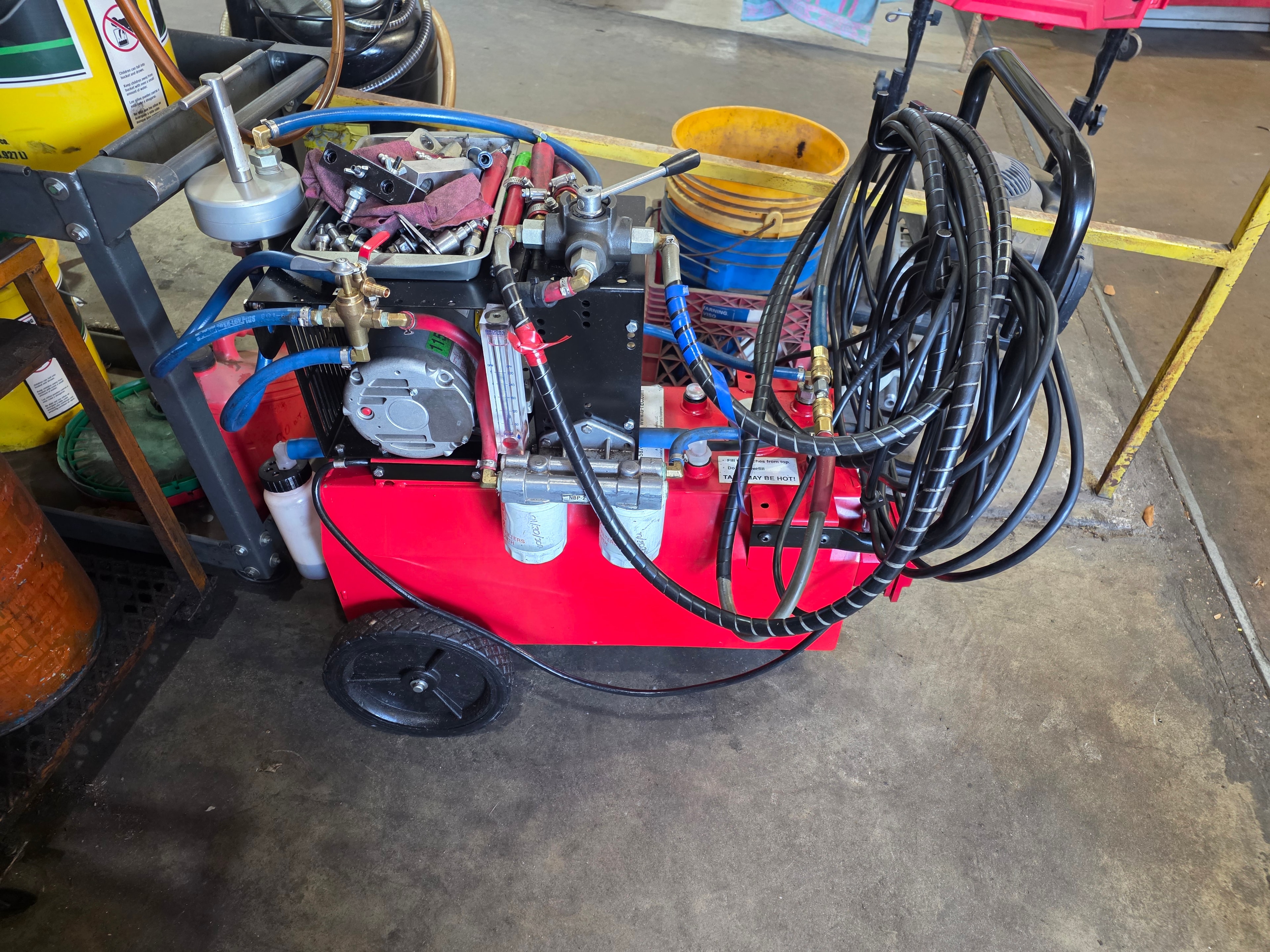
- Heated ATF circulated through the cooler under pressure
- Multiple flush cycles until fluid runs clean
- Visual inspection of flushed fluid for debris
- Cooler line inspection for kinks, cracks, or restrictions
- Cooler replacement recommended if flushing cannot clear contamination
Standalone Hot Oil Flush / Cooler Service — San Marcos, TX
Riley Auto Care & Transmissions — Serving San Marcos, Kyle, Buda, Seguin & New Braunfels
We also offer hot oil flush as a standalone service — for example, if you've recently purchased a used vehicle with unknown transmission history, or if you're experiencing symptoms that suggest cooler contamination. A clean cooler is cheap insurance against a very expensive failure.
Why a Hot Oil Flush Machine Matters for Your Transmission Service
When a transmission fails, most of the attention naturally goes to the transmission itself — rebuilding or replacing worn clutches, valve bodies, and internal components. But one of the most overlooked steps in a proper repair is what happens to the transmission cooler and cooler lines, and it's a step that can make or break the longevity of an otherwise perfect repair. A failed transmission doesn't just wear out internally — it circulates that wear, in the form of fine metal particles, clutch material, and general contamination, out through the cooler lines and into the external cooler, which is typically mounted at the bottom of your vehicle's radiator. If that contamination isn't fully removed before a new or rebuilt transmission goes in, it gets pulled right back into the freshly repaired unit the moment the vehicle starts moving, defeating the purpose of the repair before it even has a chance to succeed.
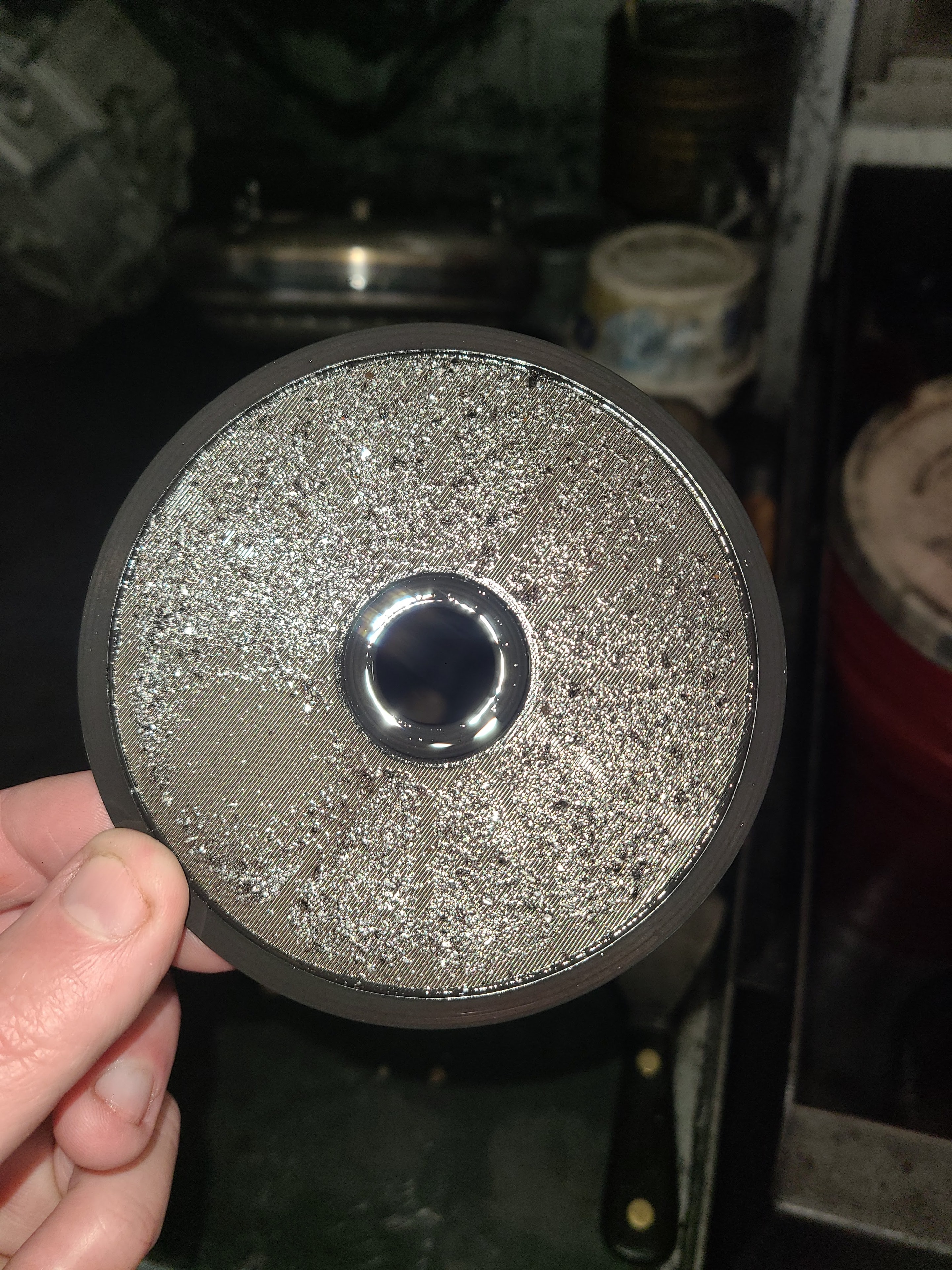
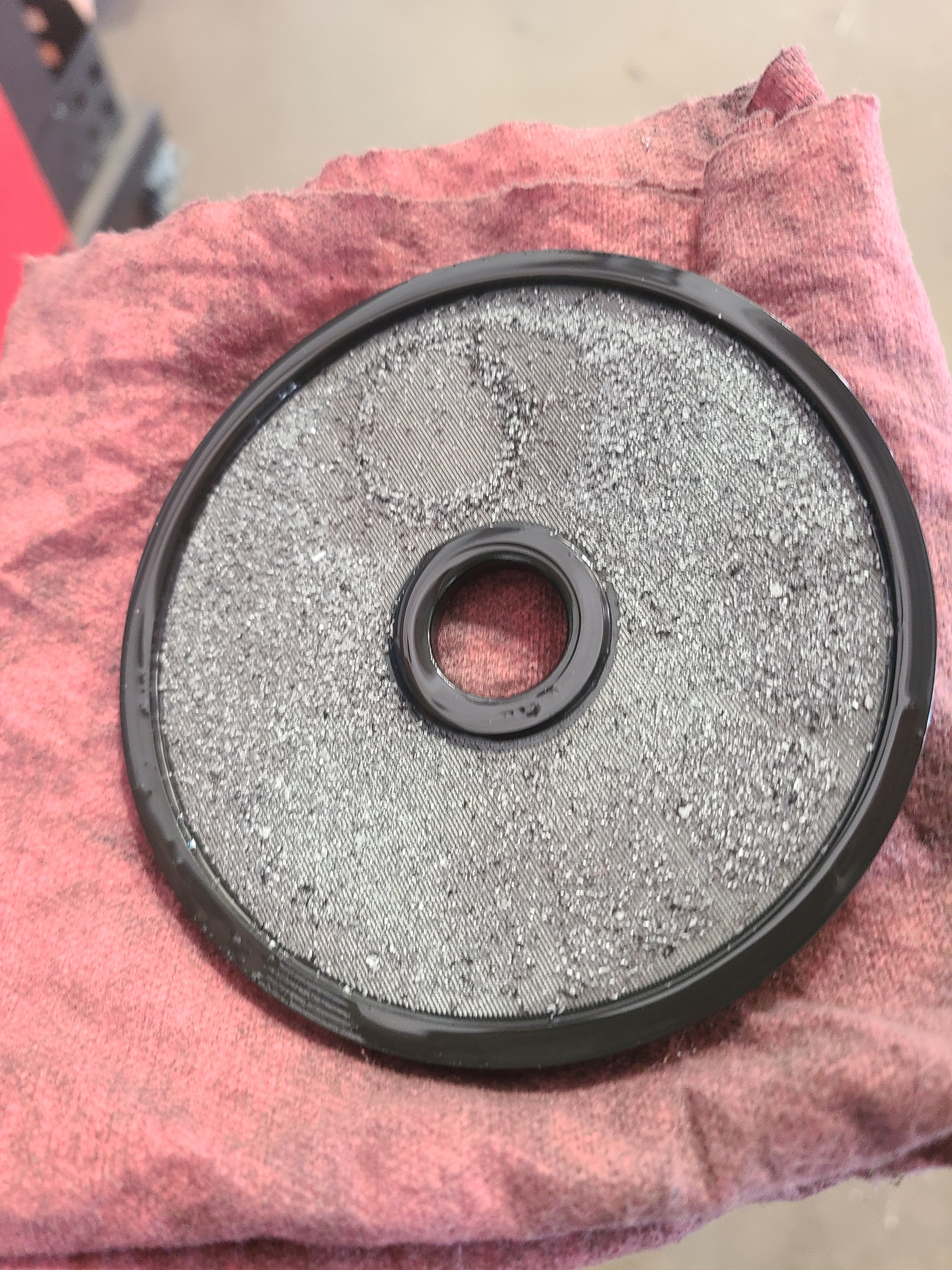
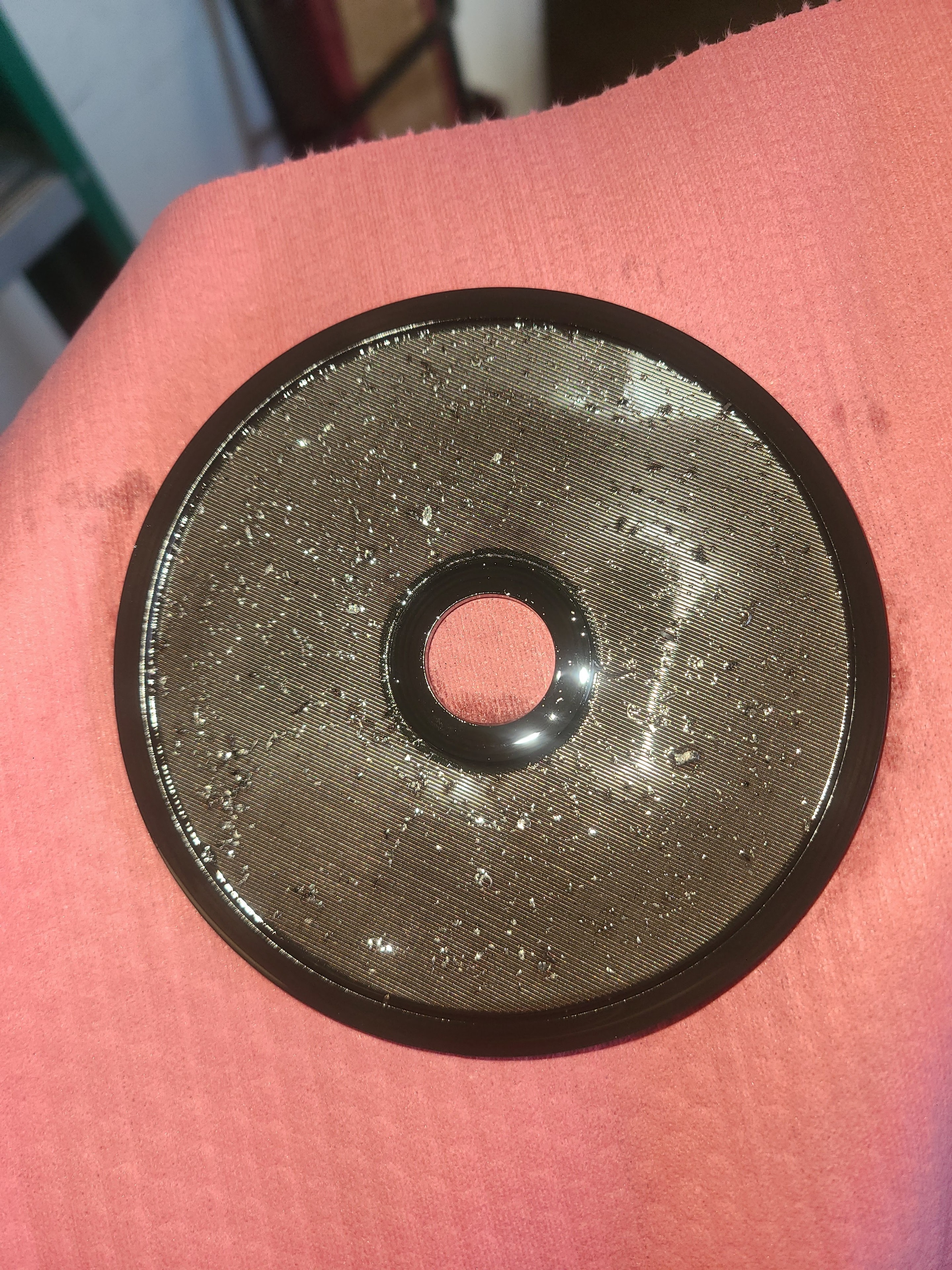
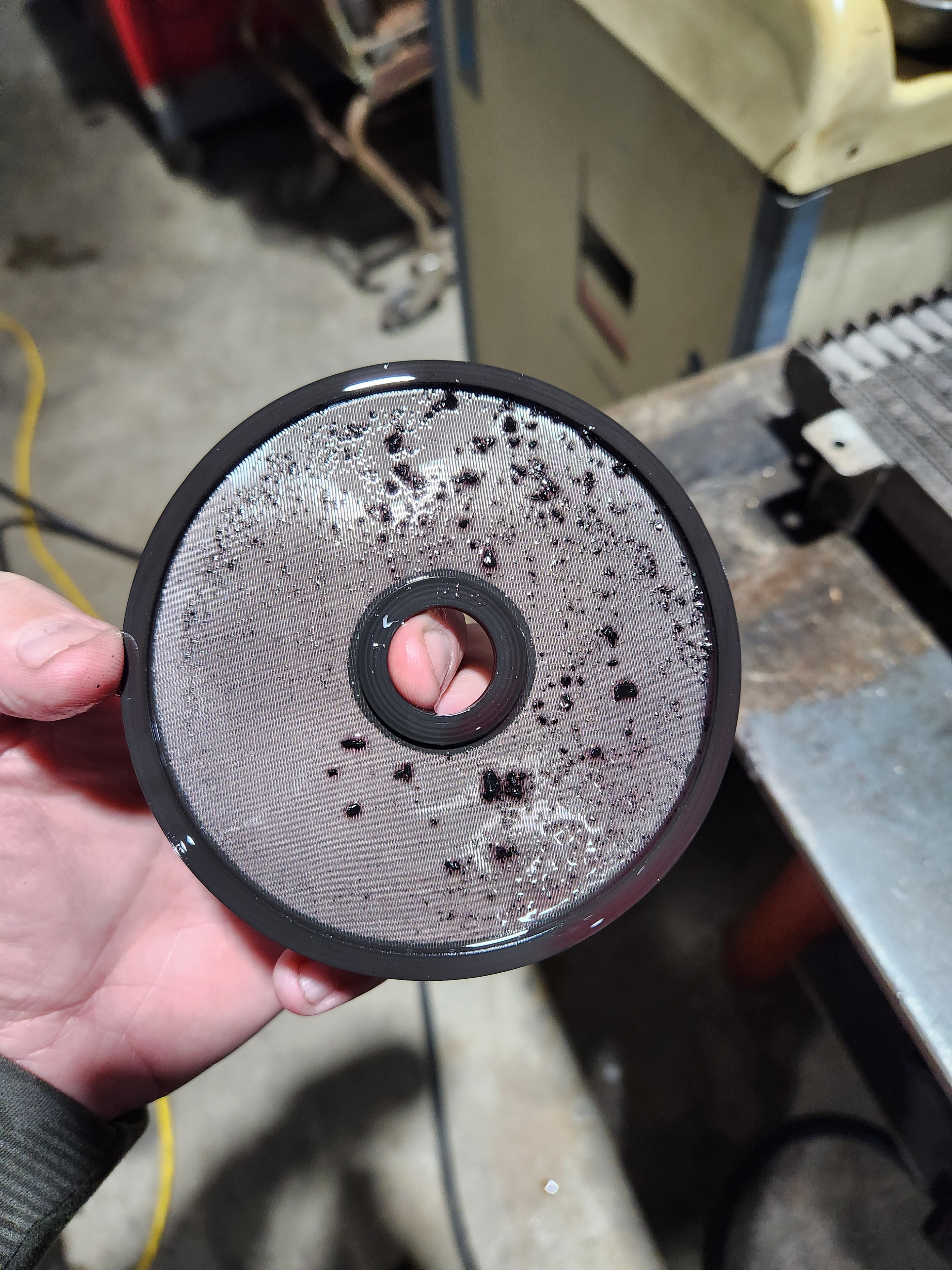
This is where a hot oil flush machine becomes essential, and where the method used to clean the cooler system matters just as much as whether it gets cleaned at all. A hot oil flush machine works by circulating heated transmission fluid through the cooler and lines under sustained pressure and flow, run for an extended period — often a full hour or more — until the fluid coming back out runs clean. The heat itself plays a functional role: it allows the cooler and lines to expand slightly, helping release debris that's clinging to internal surfaces, while also thinning the fluid enough to actually reach and flush out tight passages that cooler oil alone might bypass. Shops that use this method typically keep running the process, checking the return filter, until it comes back clean — not on a fixed timer, but until the actual evidence confirms the job is done.
Hot Oil Flush vs. Aerosol Cans — Why the Method Matters
Compare that to the alternative many shops rely on instead: aerosol cleaning cans. These are compact, inexpensive, and convenient, which is exactly why they've become common in shops that don't have a hot flush machine on hand. An aerosol can is sprayed into the cooler line, sometimes followed by a shot of compressed air to help push debris through, and that's considered "done." The problem is that this method produces a very low level of pressure — nowhere near enough to fully dislodge stubborn debris packed into a cooler's internal channels — and it only sustains that pressure for a short burst before the can runs empty, often well before the job is actually finished. There's also no real way to verify the results. A hot flush machine lets a technician see exactly how much contamination is coming out and keep going until it stops; an aerosol can offers no such feedback. You spray it, you disconnect it, and you hope for the best.
That gap matters more than it might seem. Even a small amount of leftover debris hiding in a cooler can dislodge later during normal driving and work its way back into a freshly repaired transmission, causing a repeat failure that looks like a bad rebuild but is actually a contamination problem that was never fully resolved. In the industry, this is a well-recognized cause of comebacks — cases where a transmission that was properly repaired fails again shortly afterward, not because the internal work was wrong, but because the cooler feeding it was never truly clean. This is also why many transmission warranties draw a hard line here: a failure traced back to inadequate cooler cleaning is often treated as an installation error, which can void coverage entirely, leaving the vehicle owner responsible for a second repair that shouldn't have been necessary in the first place.
The Thermal Bypass Valve Complication
There's an added complication that makes this even more important on modern vehicles: many current transmissions include a thermal bypass valve in the cooler system that stays closed at room temperature and only opens once fluid reaches operating temperature. If a flush is attempted using cold fluid, or with a method that can't generate enough heat and pressure to open that valve, the cleaning fluid may bypass the cooler core entirely, leaving it looking flushed on paper while the actual contamination sits untouched inside.
A hot oil flush machine is specifically suited to work around this, since the heated fluid can properly open a thermal bypass valve the way it's designed to respond, ensuring the cooler itself — not just the lines around it — gets genuinely cleaned.
For these reasons, a hot oil flush isn't an optional upsell tacked onto a transmission repair — it's a foundational part of doing the job right. Skipping it, or relying on a quick aerosol spray to save time, trades a small amount of upfront convenience for a real risk of repeat failure, wasted labor, and an unhappy customer facing a second repair bill for a problem that a proper flush would have prevented the first time.
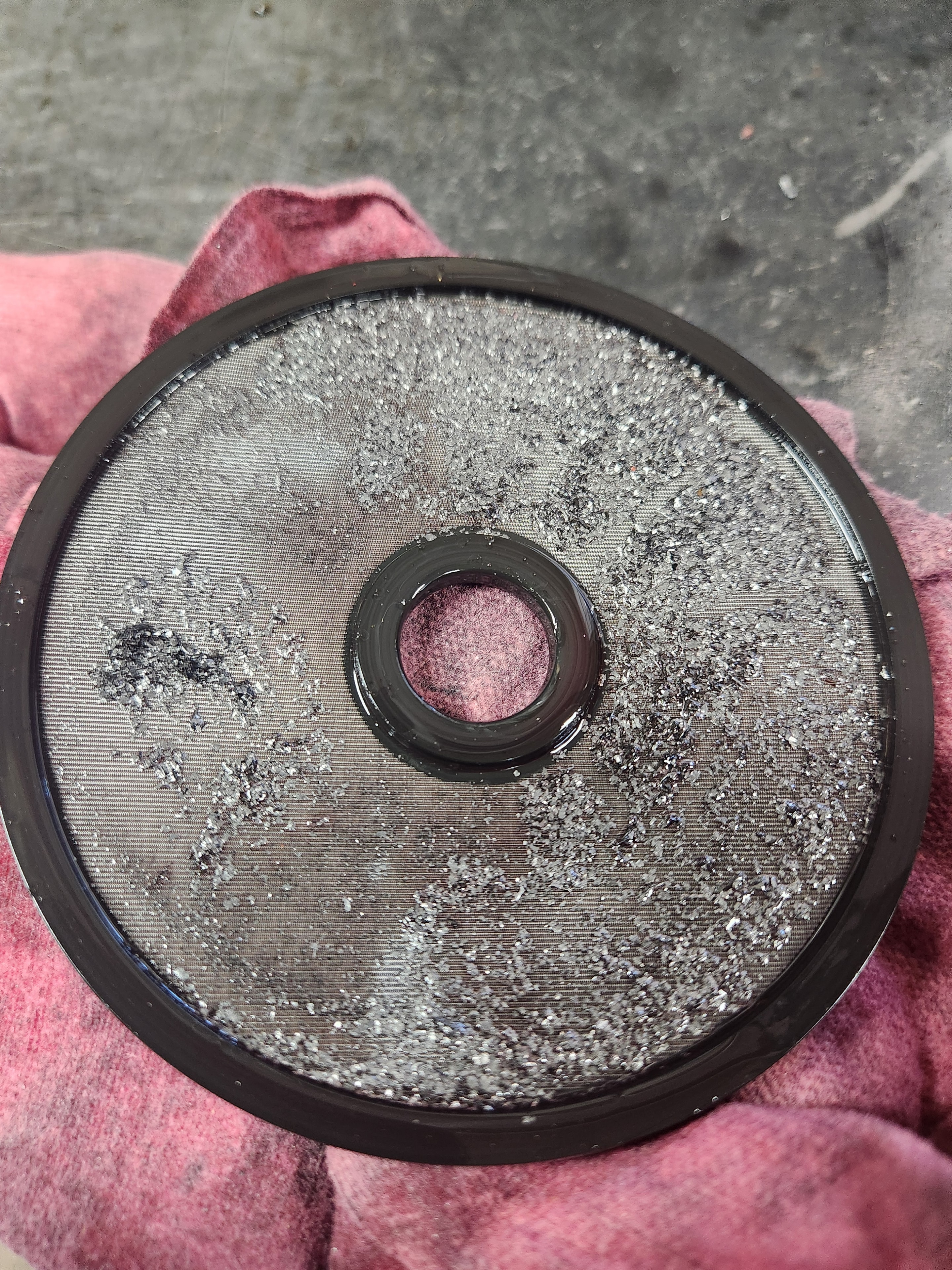
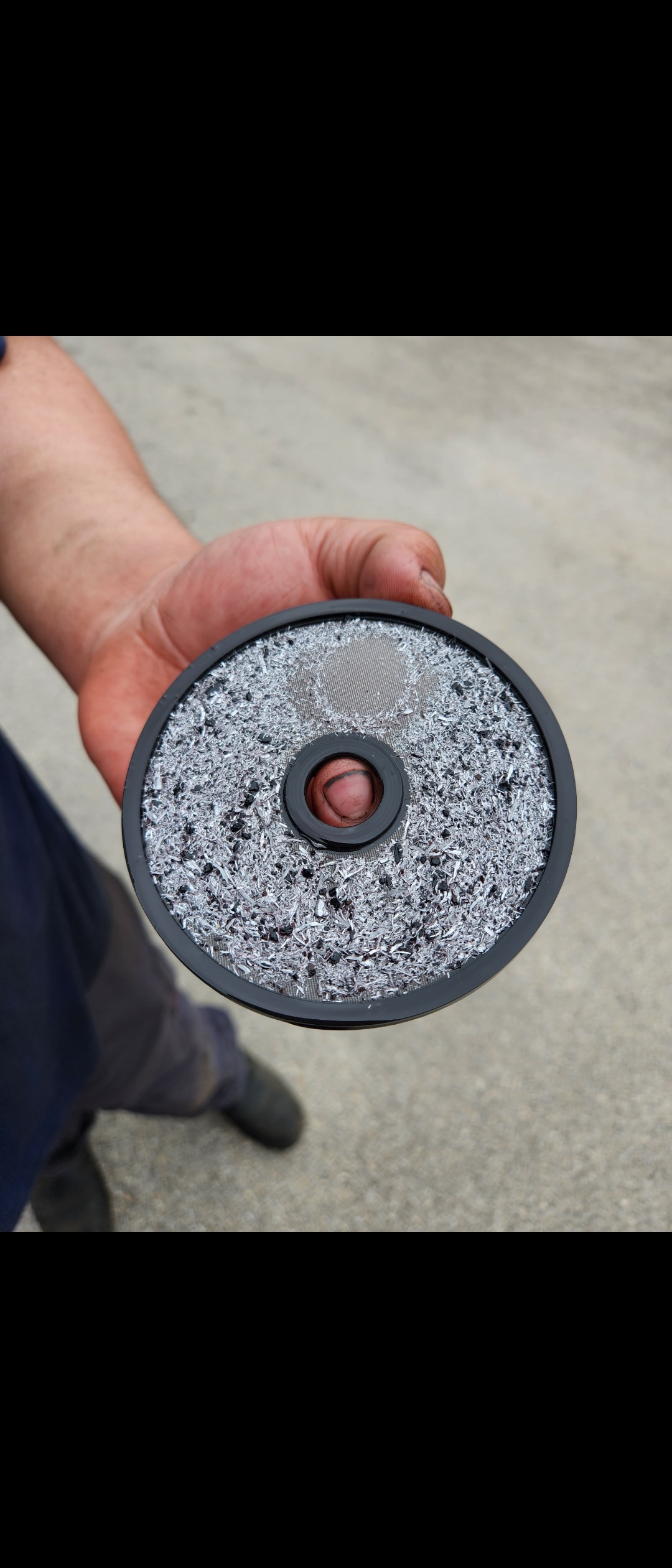
Examples of Hot Oil Flush Machine Cleaning Results
These are actual filter screens from our hot oil flush machine after servicing customer vehicles. Each screen captures the metal particles, clutch material, and debris that would otherwise re-enter a freshly rebuilt or replaced transmission.
Hot Oil Flush / Cooler Service — San Marcos, TX
Serving San Marcos, Kyle, Buda, Seguin, New Braunfels, and the surrounding Central Texas region. If you're having a transmission rebuilt or replaced, make sure the cooler is flushed first. Call or book online — we'll do it right.
Location
Hot Oil Flush / Cooler Service Near Me — San Marcos, TX
Conveniently located at 1334 TX-123, San Marcos, TX 78666 — easy access from I-35, serving Kyle, Buda, New Braunfels, Wimberley, and all of Central Texas.